Roman history, wild coastline & hidden restaurants
[fs-toc-omit] Discover Pula: Istria's ancient city by the sea
Pula is unlike anywhere else in Istria: a real, working city with a Roman amphitheatre at its heart, a lively morning market, and a coastline that stretches into some of the peninsula's most beautiful national parkland. It's less polished than Rovinj, and more authentic for it. Where other Istrian towns feel like stage sets in the best possible way, Pula feels lived-in: locals on scooters weaving through the old town, fishermen unloading crates at dawn, kids kicking a ball in the square next to a 2,000-year-old arch. Don't underestimate it.
Getting there
[fs-toc-omit] By plane
Pula Airport (PUY) is right on the doorstep, just 6 km northeast of the city centre, about 15 minutes by car or taxi. It's the main gateway to Istria, with direct summer flights from Amsterdam, Brussels, London, and many other European cities. Car rental is available at the airport and is the best way to explore the wider region during your stay.
[fs-toc-omit] By car
From the Netherlands, Pula is around 14-16 hours by car via Germany, Austria, and Slovenia. Once in Croatia, the Istrian Y-motorway leads directly to Pula at the southern tip of the peninsula. The drive through Istria itself is beautiful: rolling hills, vineyards, and stone villages all the way down.
[fs-toc-omit] Getting around
Pula's city centre and Roman monuments are easily walkable. For Cape Kamenjak and other beaches further south, a car or scooter is the best option, as public buses run infrequently. The city has good parking near the Arena and around the waterfront. Taxis and Bolt are available for getting around town.
Top sights to explore
[fs-toc-omit] The Pula Arena: a Roman amphitheatre still in use
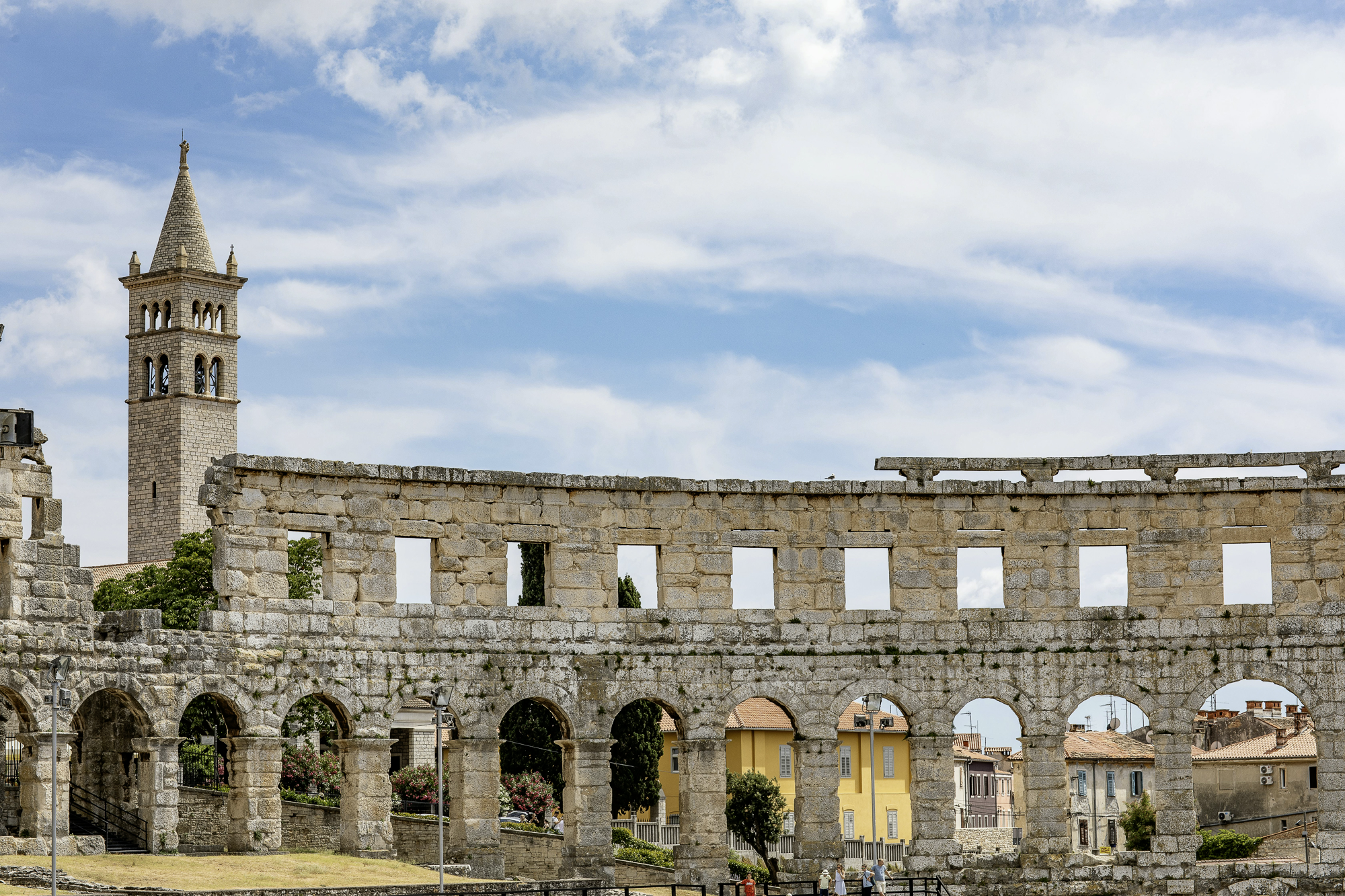
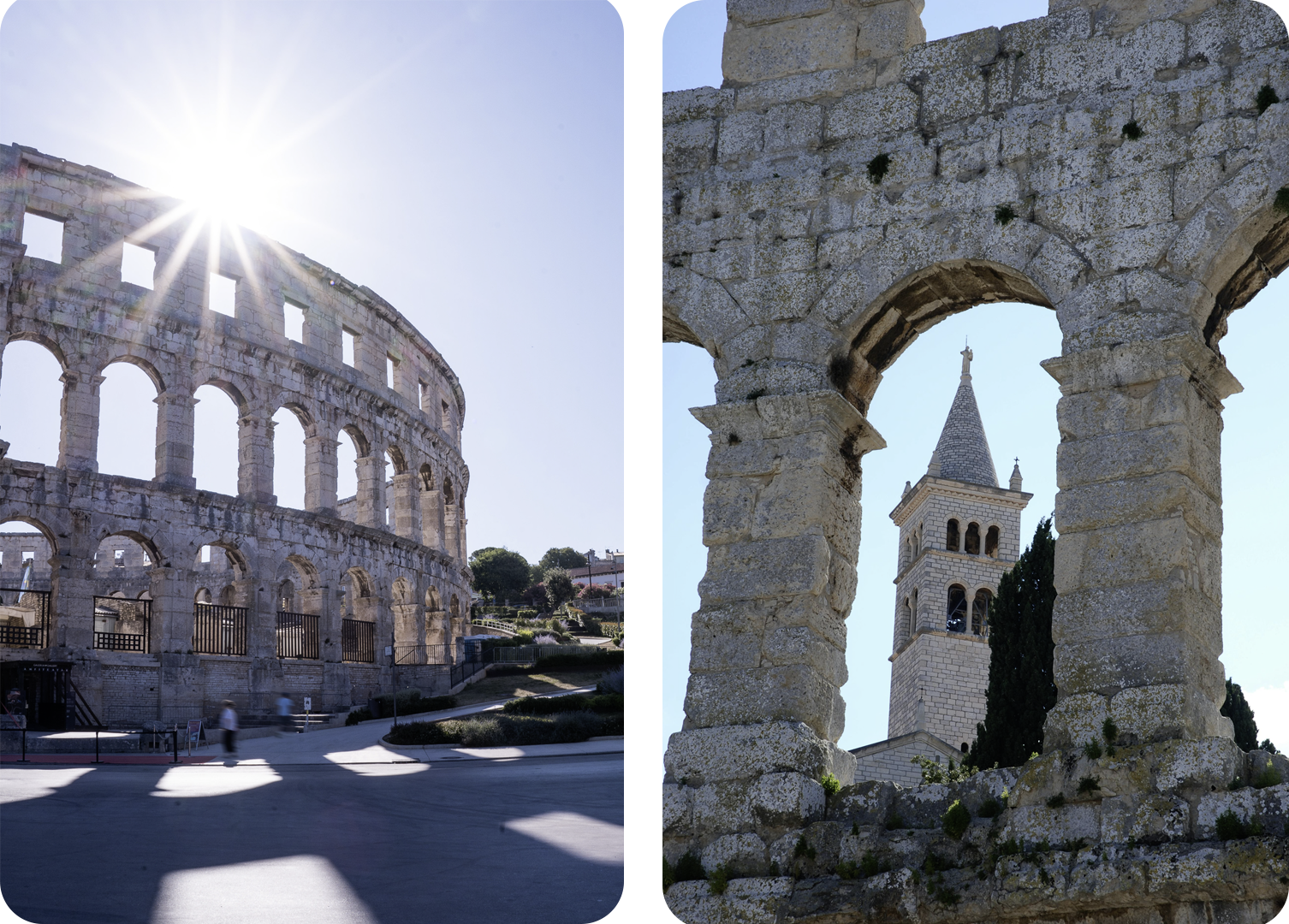
There is something genuinely breathtaking about turning a corner in the centre of Pula and coming face-to-face with a near-perfectly preserved Roman amphitheatre. Built in the 1st century AD and one of the largest in the world, the Arena could hold up to 20,000 spectators for gladiatorial combat, and today it still hosts concerts, film festivals, and events throughout the summer. Walk the outer walls, go inside to feel the scale of it, and if you can, come back in the evening when it's lit up against the night sky. It never gets old.
Check what's on at the Arena during your stay: watching a live concert or an outdoor film screening inside a Roman amphitheatre is an experience you won't forget.
[fs-toc-omit] The old town: two thousand years of history on foot
Pula's old town is an open-air museum of Roman history, and you can walk most of it in a couple of hours. Start at the Triumphal Arch of the Sergii, a beautifully preserved 1st-century arch that marks the old city gate, and follow the main street down through the pedestrian centre. The Temple of Augustus on the main forum square is remarkably intact, and the forum itself is a good spot to sit down with a coffee and watch the world go by. The Zerostrasse, a network of underground tunnels built during World War I, is also worth a visit for something a little different.
[fs-toc-omit] Cape Kamenjak: wild swimming at the tip of Istria
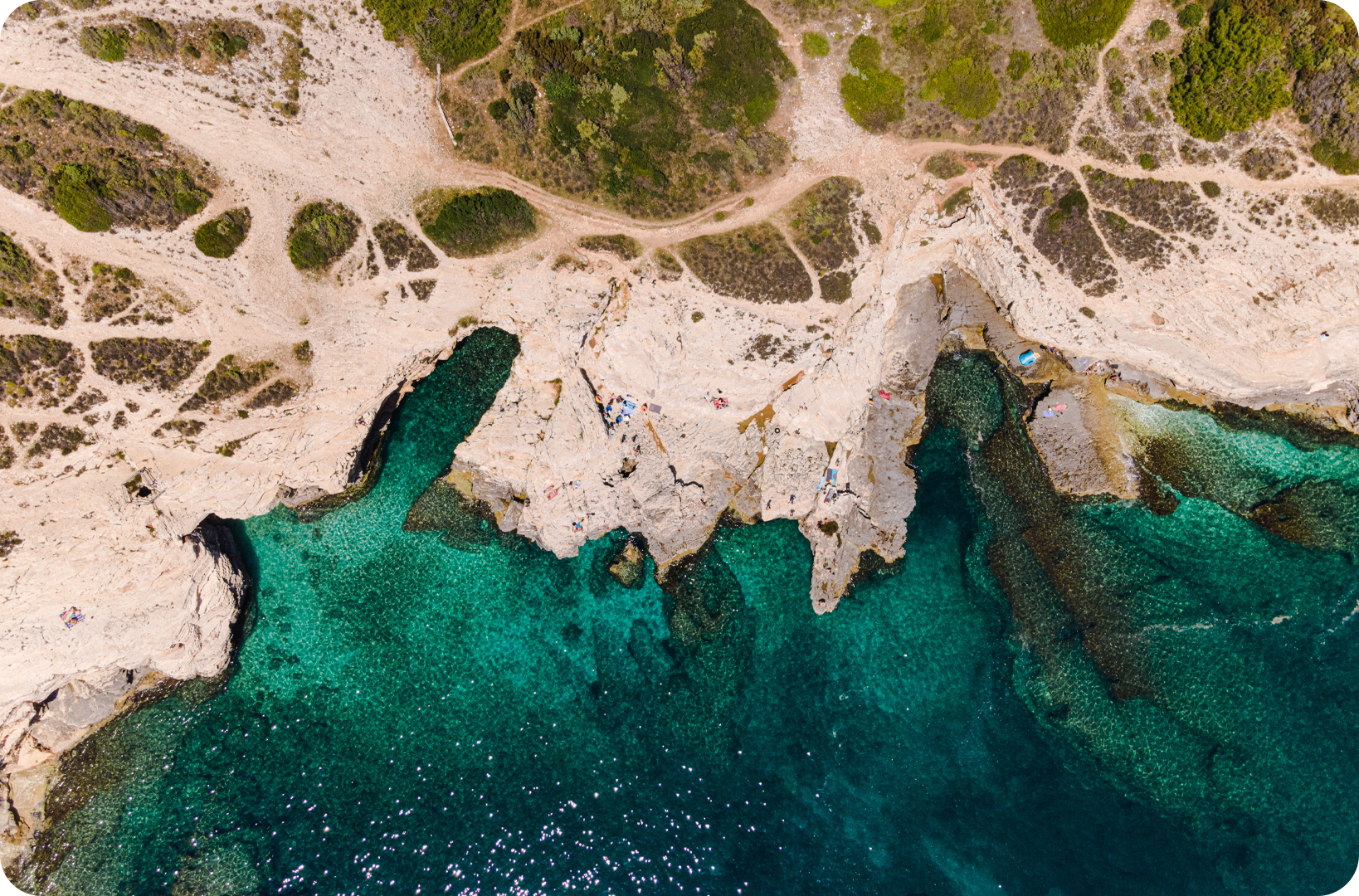
About 12 kilometres south of Pula lies Cape Kamenjak, a protected nature reserve with dramatic cliffs, secluded coves, and some of the clearest water in the Adriatic. It's a favourite with locals, especially the cliff-jumping spot known as Safari Bar, a beach bar perched above the sea that serves cold drinks and grilled food from a platform literally carved into the rock. Rent a bike or drive down and spend a half-day exploring the tracks through the wild scrubland to find your own hidden beach.
[fs-toc-omit] Day trips from Pula
Rovinj is just 40 minutes north and not to be missed. The Brijuni Islands National Park, a short boat ride from nearby Fažana, is a highlight: a car-free archipelago with Roman ruins, safari animals, and extraordinary turquoise water. The hilltop towns of Motovun and Grožnjan are under an hour's drive and make for a good inland half-day.
Where to eat and drink
[fs-toc-omit] Local specialities worth trying
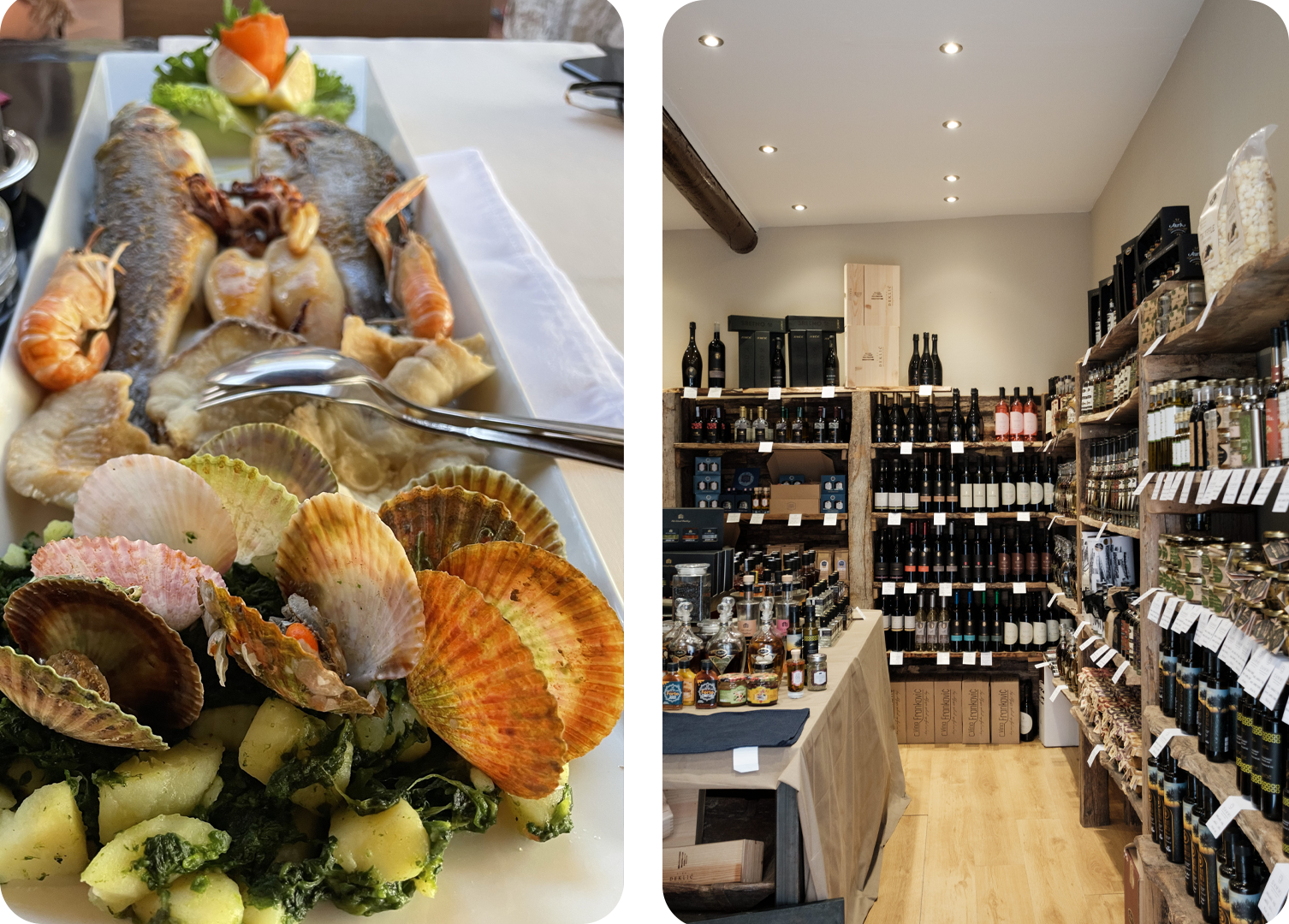
Pula has a food scene that punches above its size. Being a working port city, the fish is exceptionally fresh: look for sarde na savor (sweet-and-sour sardines, a Venetian-influenced classic) and simply grilled whole fish with olive oil. In the market, pick up local prosciutto, aged pecorino from nearby farms, and jars of truffle paste to take home. The morning market near the Forum is one of the best in Istria, arrive early for the best produce.
[fs-toc-omit] Top 3 restaurants in Pula
- Batelina
A short drive from the centre in the fishing village of Banjole, Batelina is a family-run konoba where the catch of the day is whatever the owner's father brought in that morning. There's no printed menu; the waiter tells you what's available and you say yes to everything. Book well in advance. - Vodnjanka
A proper local favourite in the old town, unpretentious and excellent. Vodnjanka serves traditional Istrian home cooking: think handmade fuži pasta with boar ragù, roasted lamb, and plates piled high with seasonal vegetables. The dining room is small and simple, the prices are fair, and the food is the kind that makes you want to come back the next day. - Kantina
Tucked beneath a stone arch in the old town, Kantina is a wine bar and restaurant with a good selection of Istrian wines and a menu built around local ingredients. Order the prosciutto and cheese board to start and work your way through the wine list from there.
Where to stay
[fs-toc-omit] Stay in a private villa near Pula
The area around Pula, from the quiet villages of the southern Istrian coast to the olive groves just inland, is dotted with beautiful private holiday homes. A villa here gives you the best of both worlds: the peace and space of the Istrian countryside, with the city, beaches, and Cape Kamenjak all within easy reach. Browse our collection of holiday homes in the Pula region on the Homes of Croatia website.
[fs-toc-omit] Other accommodation options
Pula itself has a growing range of boutique hotels and apartments in and around the old town, many within walking distance of the Arena. For something more unique, the nearby village of Fažana, the departure point for Brijuni, has several small hotels and guesthouses right on the water.
Good to know
[fs-toc-omit] Best time to visit
June and September are the best months: warm enough for swimming and sightseeing, with a pace that makes the city genuinely enjoyable. Spring and autumn are also worth considering; the Roman monuments feel even more impressive when you have them largely to yourself.
July and August are when Pula comes alive: concerts at the Arena, a buzzing waterfront, and the kind of long summer evenings that make you want to stay. The city handles the season well, and with a villa base just outside the centre, you get the best of both worlds. Book early, the best spots go fast.
[fs-toc-omit] Tips and practicalities
Croatia uses the euro (€) and Pula is a fully modern city, cards are accepted almost everywhere. The Arena entrance fee is worth paying even if you have no interest in Roman history: the scale of it is extraordinary. For Cape Kamenjak, a small entrance fee applies in peak season to help maintain the nature reserve. Don't miss the morning market near the Forum, one of the most authentic local experiences in all of Istria, and the best place to stock up if you're staying in a villa.
Ready to stay near Pula?
Pula and the surrounding coast are best experienced slowly, with a home base that's truly yours. A stone villa with a pool in the olive groves south of the city, or a quiet retreat within easy reach of Cape Kamenjak. Staying in a private holiday home changes the pace of the whole trip. At Homes of Croatia, we handpick a small, carefully curated collection of exceptional villas in the Pula region.

Lynn is one of the owners of Homes of Croatia and is always looking for new places, secret gems and the best food. I try to inspire you on your holiday in Croatia for new experiences.
Inspiration for your stay