Hilltop towns, Adriatic coastline & the finest food in Croatia
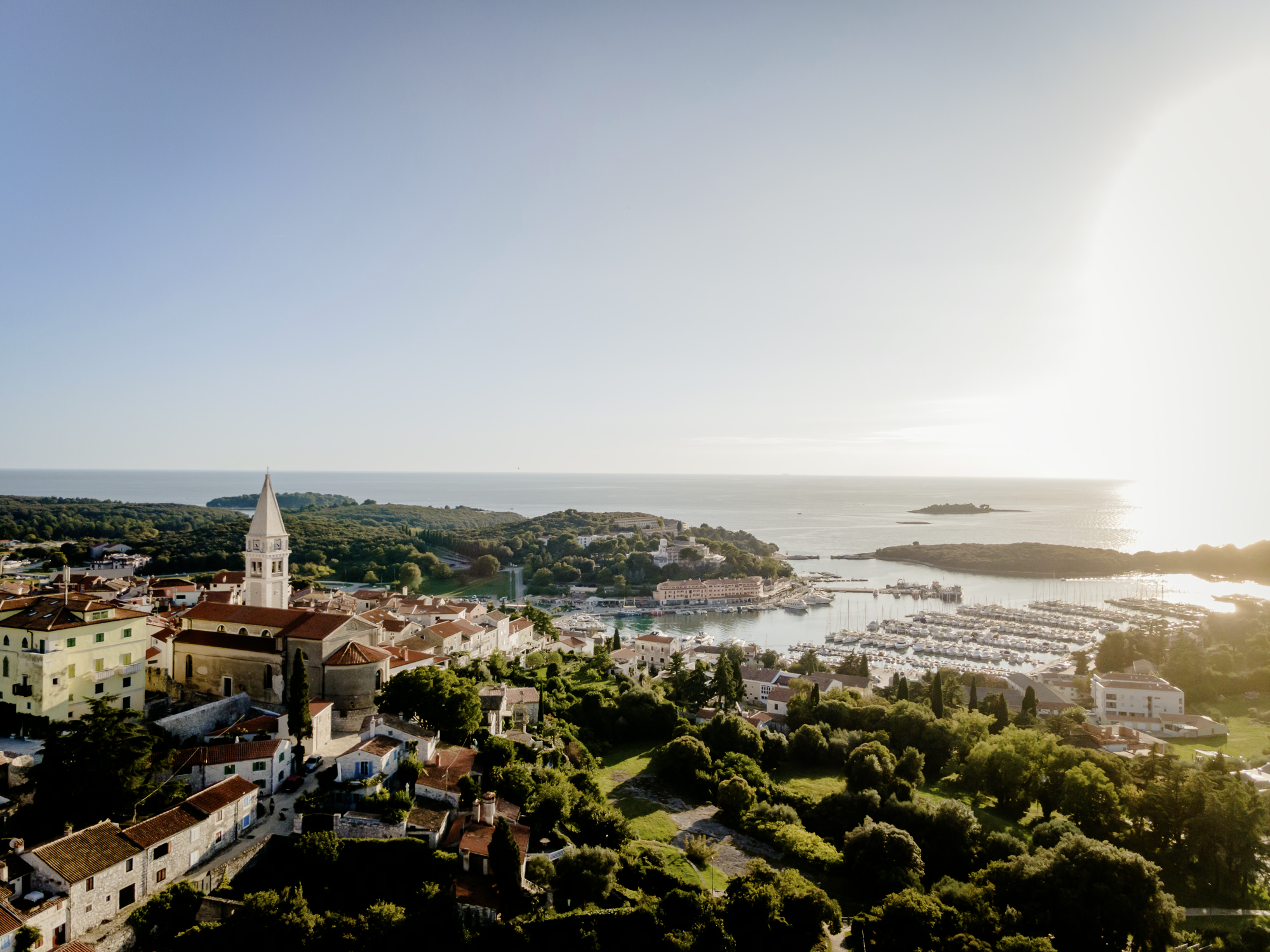
Your complete guide to Istria: where to go, what to eat and where to stay
Istria is Croatia's northernmost peninsula, and for many travellers, the part of the country that surprises them most. Yes, there's the Adriatic coast: crystal-clear water, medieval harbour towns, pebble beaches under pine trees. But drive 20 minutes inland and the landscape shifts completely. Rolling hills covered in vineyards and olive groves. Stone villages perched on hilltops. Truffle forests and wine cellars. It feels a little like Tuscany, but quieter, less visited, and with the sea always somewhere in the distance. Istria rewards those who take their time with it.
Getting to Istria
By plane
Pula Airport (PUY) is the main gateway, located at the southern tip of the peninsula. Direct summer flights operate from Amsterdam, Brussels, London, and many other European cities. The flight from Amsterdam takes just 1.5 hours. Renting a car at the airport is strongly recommended: Istria is a region best explored at your own pace, and public transport between smaller towns and villages is limited.
By car
From the Netherlands, the drive takes around 14-16 hours via Germany, Austria, and Slovenia. It's a long day, but the route through the Austrian Alps and down into Slovenia is genuinely beautiful. Cross into Croatia at the Dragonja border post in the south of Slovenia, and you're in Istria within minutes. Many people choose to break the journey with an overnight stop in Graz or Ljubljana.
Getting around
A car is essential for getting the most out of Istria. The peninsula has a well-maintained road network, and distances are short: you can drive from Pula in the south to Novigrad in the north in about an hour. The hilltop towns of the interior are often only accessible by car or on foot, and the best beaches and swimming spots are rarely on a bus route. Hire a car, take the back roads, and get a little lost.
The coast: three towns worth your time
Istria's western coastline is its most visited, and for good reason. Three towns in particular stand out, each with its own character.
Poreč: Roman history and beach resorts
Poreč is the region's most popular resort town, and it earns that status. The old town is built on a small peninsula jutting into the Adriatic, with a UNESCO-listed Early Christian basilica at its heart. The mosaics inside are remarkable. Around it, the narrow streets fill up with cafes, restaurants, and gelaterias. The surrounding coastline, particularly Zelena Laguna, offers 10 km of beaches, resorts, and beach bars. It's busy in summer, but arrive early in the morning and the old town is genuinely peaceful. Read our full Poreč guide →
Rovinj: the most beautiful town on the coast
Ask anyone who has been to Istria for their favourite place, and most will say Rovinj. The old town sits on a rocky peninsula topped by a tall church, its pastel-coloured houses stacked up the hillside toward the sky. The harbour is one of the most atmospheric in the whole of Croatia. Artists have been coming here for decades, and the town still has that quality: a little bohemian, very photogenic, and almost impossible to leave. Come for a night and stay for three. Read our full Rovinj guide →
Pula: a real city with a Roman amphitheatre
Pula is the odd one out, in the best possible way. It's a working city rather than a resort town, and it has a Roman amphitheatre in its centre that is genuinely one of the most impressive ancient monuments in Europe. The old town is full of Roman ruins, a morning market, and good restaurants. South of the city lies Cape Kamenjak, a wild nature reserve with dramatic cliffs, hidden coves, and the legendary Safari Bar. Pula is less polished than Rovinj, and more interesting for it. Read our full Pula guide →
The hinterland: hilltop towns and truffle country
Most visitors to Istria stick to the coast. That's their loss. The interior of the peninsula, sometimes called Terra Magica, is a different world: slower, greener, and full of things to discover.
Motovun: Istria's most famous hilltop town
Motovun sits on a conical hill rising out of the Mirna river valley, its medieval walls visible for miles around. The town is small, the streets are steep, and the views from the ramparts are extraordinary. It's also the centre of Istria's truffle industry: the forests below Motovun produce some of the finest truffles in the world, both black and white, and the local restaurants know exactly what to do with them. If you can, stay the night: once the day-trippers leave in the late afternoon, the town becomes very quiet and very beautiful.
Grožnjan: an artists' village in the hills
Grožnjan is smaller and less visited than Motovun, and arguably more charming for it. The village has been an artists' colony since the 1960s, and today it's home to galleries, studios, and a music school that hosts summer concerts. Walking through the streets in the evening, with the sounds of a rehearsal drifting out from an open window and the valley spread out below, is one of those Istrian experiences that stays with you.
Oprtalj and Roč: the quiet ones
If Motovun and Grožnjan feel too busy, head to Oprtalj or Roč. Both are tiny, mostly untouched, and worth the detour for the views alone. Roč in particular has an almost eerie quietness to it, and its Romanesque church contains some remarkable medieval frescoes.
Food and wine in Istria
What to eat
Istrian cuisine is one of the great underrated food cultures of Europe. The cooking is rooted in simple, seasonal ingredients, and the quality of those ingredients is exceptional. Fuži, the region's signature hand-rolled pasta, is served with truffle shavings, slow-cooked meat ragù, or simply with butter and local cheese. Brudet, a slow-cooked fish stew with polenta, is a coastal staple. The prosciutto from the village of Tinjan is cured in sea salt and air-dried for months, and it's among the best you'll eat anywhere.
Don't leave Istria without trying white truffle at least once. The season runs from September to January, but truffle paste and preserved truffles are available year-round in most restaurants and delis.
What to drink
Malvazija Istarska is the peninsula's signature white wine: aromatic, dry, and slightly mineral, it goes with almost everything on the menu. Teran, a deep red made from the autochthonous refosco grape, is the natural partner for meat dishes and aged cheeses. Most wineries in Istria are small and family-run, and many offer tastings by appointment. A morning spent driving between wine estates in the hinterland, with a long lunch at the end, is one of the best ways to spend a day here.
When to go
The best months
May, June and September are the sweet spot for most visitors. The sea is warm enough for swimming from June onwards, the crowds are manageable, and the landscape is at its greenest and most beautiful. Restaurants and attractions are fully open, and you can still get a table without booking weeks in advance.
Summer and shoulder season
July and August are peak season: hot, busy, and expensive in the most popular towns. Rovinj and Poreč in particular get very crowded. If you're visiting in high summer, book accommodation and restaurants well in advance, and plan your days around the heat (early morning and late afternoon are the best times for sightseeing). October and November are quieter and cooler, and an excellent time to visit the hinterland for truffle season.
Where to stay in Istria
Stay in a private villa
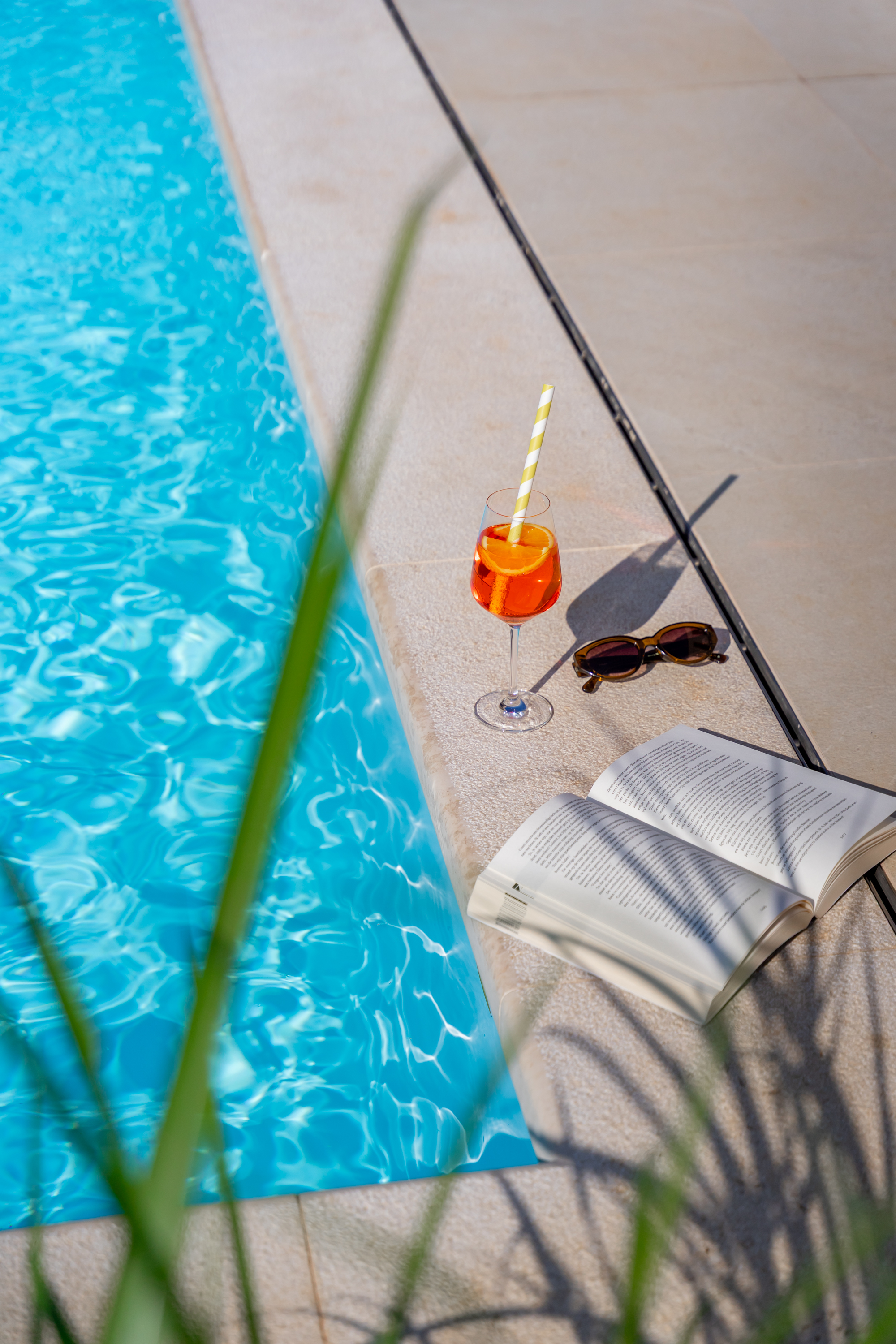
Istria is one of the best regions in Croatia for private holiday homes. The combination of a beautiful natural setting, good road connections, and a strong local food and wine culture makes it ideal for a villa stay. You're close enough to the coast to spend a day at the beach, but with the space and quiet of the countryside on your doorstep. Stone farmhouses with private pools, hilltop retreats with views over the valley, coastal villas within walking distance of the sea. At Homes of Croatia, we handpick a small collection of exceptional holiday homes across Istria, each chosen for its character and quality.
Other accommodation options
The three main coastal towns all have good hotel options, from large beach resorts to smaller boutique properties in the old town centres. For the hinterland, agriturismo-style guesthouses are the most atmospheric choice: many are set on working farms or vineyards, and several include home-cooked dinners using produce from the estate. Book early for the summer months.
Good to know
Tips and practicalities
Croatia uses the euro (€) since January 2023. Tap water is safe to drink everywhere in Istria. English is widely spoken in tourist areas, though a few words of Croatian or Italian are always appreciated. Most of the hilltop town car parks charge a small fee in summer. And one practical note for villa guests: stock up at a supermarket or local market before arriving at your accommodation, as the smaller villages often have limited shops.
At Homes of Croatia, we carefully select holiday homes across the country that reflect exactly this spirit: simple, honest, and beautiful. Homes that invite you to slow down, breathe out, and discover why so many people fall in love with this corner of the Adriatic. Search all our villas here.

Pepijn, co-owner of Homes of Croatia, knows Croatia's best spots inside out. A passionate traveler always hunting hidden gems, he's your go-to guide for undiscovered places and the finest restaurants—food lovers, you've found your expert.

Inspiration for your stay